



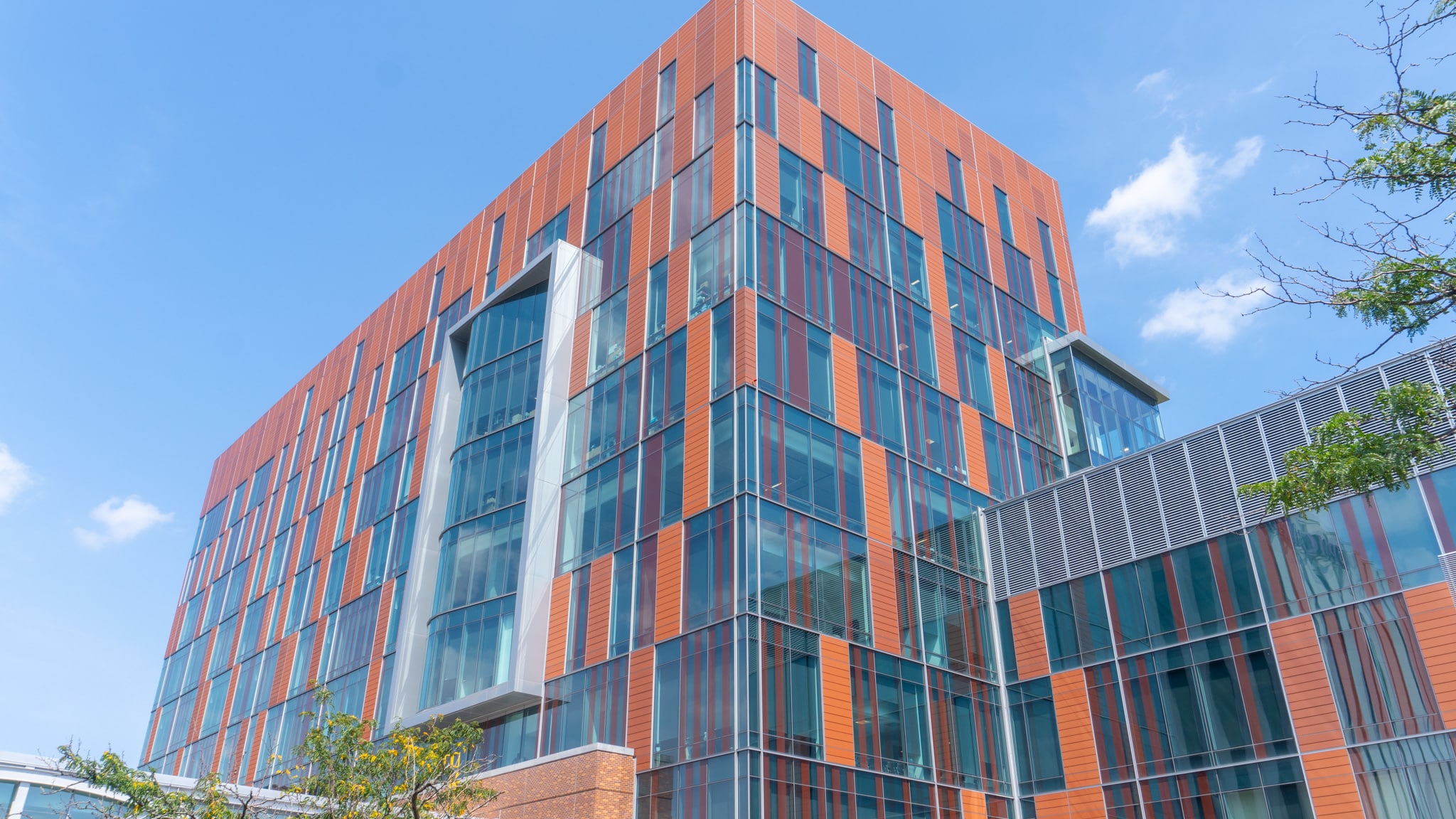
5/18/2026
Exterior Cladding Trends: Modern Designs That Boost Curb Appeal


Cladding is no longer just about covering walls. It plays a critical role in how buildings perform, look, and retain value over time. Today’s exterior cladding trends focus on durability, energy efficiency, and modern design that withstands real-world conditions. As a full-service commercial contractor, roofing and cladding go hand in hand — a building’s envelope only performs as well as the systems protecting it from every angle.
From modern homes to office buildings, retail centers, and industrial facilities, the right cladding system protects the structure while shaping how people experience the space.
Why Exterior Cladding Matters for Residential and Commercial Buildings
Cladding acts as a protective barrier between your building and the elements. When systems fail or are outdated, the risks are similar across both homes and commercial structures:
- Water intrusion behind walls
- Structural deterioration from trapped moisture
- Increased energy costs due to poor insulation
- Premature wear requires costly repairs.
In commercial settings, these problems can also disrupt operations, affect tenants, and create liability concerns.
Top Exterior Cladding Trends in Modern Design
Modern architectural cladding systems are designed as part of a full building envelope. They include weather-resistant barriers, insulation layers, and ventilation gaps to effectively manage moisture and airflow.
Here are some modern siding design ideas:
1. Mixed Materials for Visual Impact and Performance
Blending materials is now standard across both residential and commercial building exterior design.
Common applications include:
- Fiber cement panels for large wall sections
- Metal accents for entrances and architectural features
- Stone or masonry elements at ground level
This approach enhances durability and visual interest, defining brand identity in commercial projects.
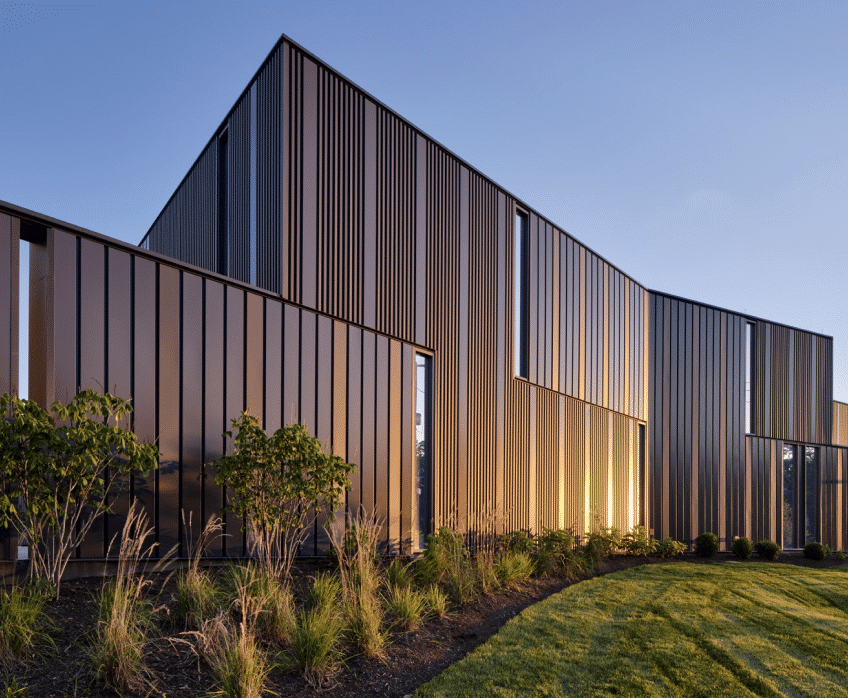
2. Vertical Panel Systems
Vertical exterior wall panels are widely used in modern homes, offices, warehouses, and retail buildings.
From a technical standpoint, vertical systems:
- Promote better water shedding.
- Integrate well with rainscreen assemblies.
- Create a taller, more contemporary look.
Installers typically use sub-framing systems, extra support structures behind the panels, to ensure proper drainage and ventilation. This is critical for long-term performance.
3. Fiber Cement Cladding Across Property Types
Fiber cement is versatile and performs well in both home and commercial use because it resists fire, moisture, insects, and temperature changes.
- Fire
- Moisture
- Insects
- Temperature fluctuations
It’s commonly used in apartment complexes, schools, and mixed-use buildings because it meets strict fire and durability requirements.
Fiber-cement exterior wall cladding can earn LEED and other sustainability certifications by meeting strict green building standards.
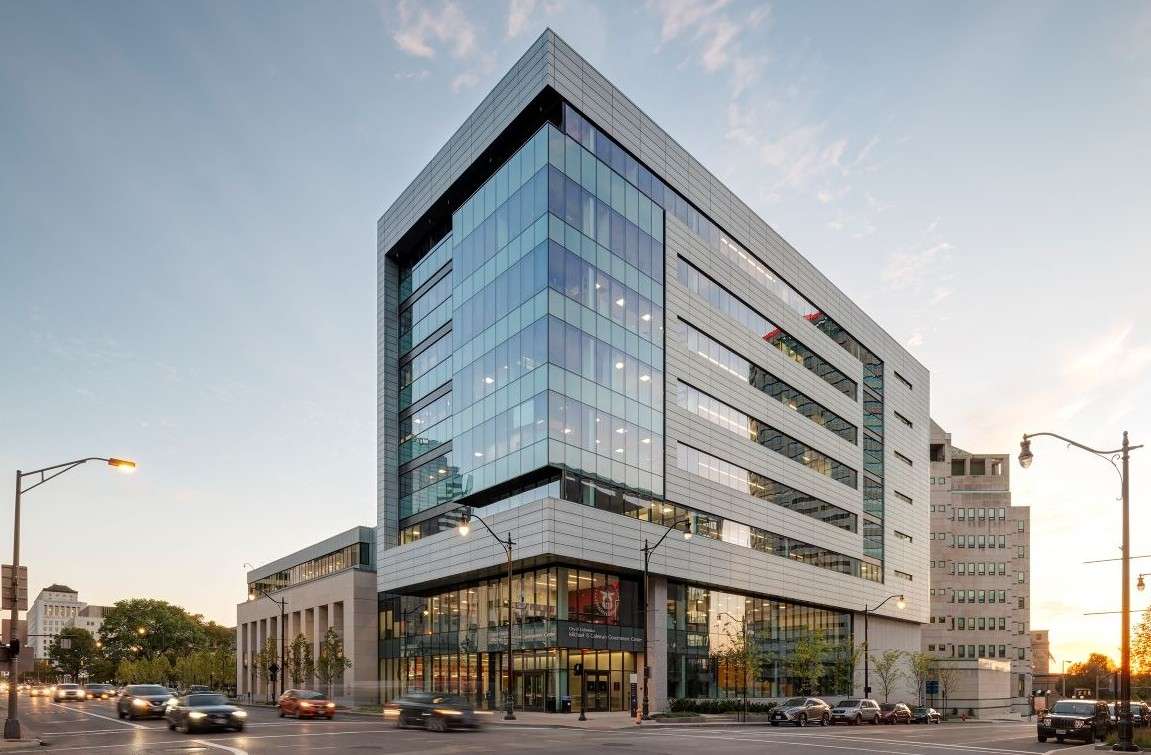
4. Metal Cladding Panels for Modern and Industrial Design
Metal panels are common in commercial construction and are increasingly used in residential buildings for a modern look.
The benefits include:
- High durability in extreme weather
- Low maintenance requirements
- Compatibility with large-scale building designs
In commercial applications, metal systems incorporate concealed fasteners and expansion joints to effectively accommodate thermal movement across expansive surfaces.
5. Large-Format and Seamless Panel Designs
Minimal seams and large panels are key features in modern siding for all property types.
For commercial buildings, this means:
- Faster installation on large façades
- Reduced maintenance points
- Cleaner branding opportunities
For homes, it creates a refined, high-end appearance with fewer visual interruptions.
How Modern Cladding Improves Curb Appeal and Property Value
Residential Benefits
- Stronger first impressions
- Increased resale value
- Lower maintenance over time
Commercial Benefits
- Improved tenant attraction and retention
- Enhanced brand image
- Reduced long-term operating costs
According to the U.S. Department of Energy, improving the building envelope can significantly reduce heating and cooling loads in both residential and commercial structures. (Source: DOE Building Energy Efficiency and Demand Flexibility Guide). Installing cladding for curb appeal directly affects how a property is perceived and valued.
Why Professional Installation Makes all the Difference
Cladding systems are only as reliable as their installation. This applies equally to homes and commercial buildings.
Experienced metal cladding contractors providing cladding services focus on:
- Proper flashing at all penetrations (windows, doors, joints)
- Installation of weather-resistant barriers
- Use of rainscreen systems for airflow
- Code-compliant fastening and spacing
Safety, Codes, and Compliance
Both residential and commercial cladding services must meet local building codes and safety regulations.
These may include:
- Fire resistance ratings for materials
- Wind load requirements for panels
- Moisture barrier and drainage standards
- Permit and inspection requirements
In the U.S., commercial buildings often face stricter compliance standards, especially for design loads, fire safety, wind resistance, and moisture control.
Here are some of the standards:
- ASTM E119, Standard Test Method for Fire Tests of Building Construction and Materials.
- NFPA Standard 285, Fire Test Method for Evaluation of Fire Propagation Characteristics of Exterior Non-Load-Bearing Wall Assemblies.
- Minimum Design Loads and Associated Criteria for Buildings and Other Structures (ASCE/SEI 7-22).
- EPA Moisture Control Guidance for Building Design, Construction, and Maintenance.
Improper installation is a leading cause of cladding failure. Working with a licensed, experienced contractor ensures your project meets all applicable regulations.
Built for Performance: Our Approach to Exterior Cladding
Kalkreuth Roofing and Sheet Metal never treats exterior cladding as a surface-level upgrade. It’s part of our fully integrated building envelope system designed to protect, perform, and last. With 40+ years of experience across residential and commercial projects, the team brings a deep understanding of how roofing, wall systems, and sheet metal components work together in real-world conditions.
Whether it’s a modern home or a large commercial facility, the goal is the same: install cladding systems that meet code requirements, withstand weather exposure, and reduce long-term maintenance.
Need durable protection for your building? Schedule a consultation today.
FAQs
Yes, commercial systems are typically engineered for larger surfaces, stricter fire codes, and higher durability requirements.
Fiber cement and metal panels are widely used for their durability, clean appearance, and low maintenance.
Most systems last 30 to 50 years, depending on materials and installation quality.
Yes, modern systems reduce heat transfer and improve insulation when properly installed.
Yes, and they often involve stricter inspections and compliance standards than residential projects.
Citations and References
- LEED and Sustainability Certificates https://www.usgbc.org/leed
- The U.S. Department of Energy – Building Energy Efficiency and Demand Flexibility Guide https://www1.eere.energy.gov/buildings/pdfs/80170.pdf
- ASTM E119 Standards https://www.astm.org/e0119-20.html
- NFPA Standard 285 https://www.nfpa.org/codes-and-standards/nfpa-285-standard-development/285
- ASCE/SEI 7-22 Design Load Standards https://www.asce.org/publications-and-news/codes-and-standards/asce-sei-7-22
- The U.S. Environmental Protection Agency – Moisture Control Guidance for Building Design, Construction, and Maintenance. https://www.epa.gov/sites/default/files/2014-08/documents/moisture-control.pdf
Looking for roofing solutions for your business?
Let’s Make it happen.
"*" indicates required fields